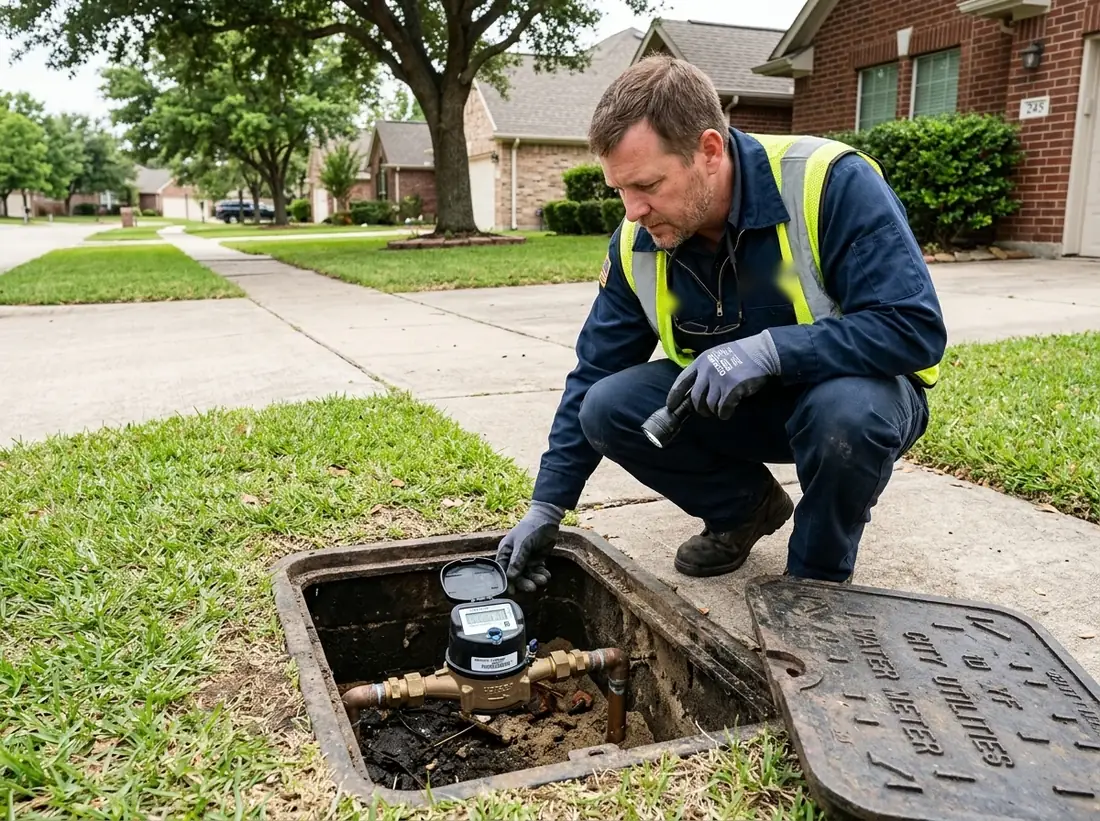
What Is Water Meter Leak Investigation?
Your municipal water meter is the definitive measure of all water consumed on your property. When the small red leak indicator, triangle, or digital dial advances while no taps, showers, or irrigation zones are running, an active leak is ongoing. Our investigation systematically isolates each branch to identify the cause.
Whether you manage a residential home or commercial property in Whittier, catching water loss early preserves structural integrity and halts soaring utility costs. Learn more in our complete guide to water leak detection in Whittier, CA.
Seeing these signs? Don’t wait for the damage to spread. A local pro can pinpoint the leak before anything is opened up.
Call (562) 245-5818Signs You May Need Water Meter Leak Investigation
Bill jumped without explanation
A noticeably higher bill when nothing about your household routine changed.
Leak indicator spinning
The small indicator on the meter turns with all water use off.
Utility sent a high-usage alert
Some providers notify customers about continuous use or unusual spikes.
Neighbors’ bills normal
Comparable homes nearby aren’t seeing the same increase.
How to read your meter for a leak
Your water meter is usually in a concrete box near the curb or sidewalk. Lift the lid carefully (watch for insects and standing water) and look for two things: the main register, which shows total usage, and a small leak indicator — often a red or blue triangle, star, or small dial that turns with even low flow.
- Turn off every faucet, appliance, and the irrigation controller.
- Watch the leak indicator for a minute or two. If it moves, water is flowing somewhere.
- For slow leaks, write down the full meter reading, avoid using any water for one to two hours, and read it again. Any change points to a leak.
The usual suspects
When the meter confirms water is being used, the cause is often one of these — several of which make no visible mess at all:
- Toilets with worn flappers or fill valves (check with a few drops of food coloring in the tank)
- Irrigation valves that don’t fully close, broken heads, or a leak on the sprinkler mainline
- Pool autofill valves topping up a leaking pool
- Evaporative coolers with a stuck float valve running water to the drain
- Water softeners or reverse osmosis systems cycling or draining continuously
- Hidden supply leaks under a slab, in a wall, or on the buried service line
When it isn’t a leak
Before assuming a leak, compare the billing period length, check whether the reading was estimated, and look at seasonal patterns — summer irrigation can raise use dramatically. Tiered rates can also make a modest increase in use look like a large increase in cost. If the numbers still don’t add up, your water provider can typically verify the meter reading and, if needed, test the meter.
Bill adjustments
Some water providers offer a one-time leak adjustment once a leak is repaired. Policies vary, so contact your provider directly and keep the detection report and repair invoice as documentation.
Tools Our Specialists Use
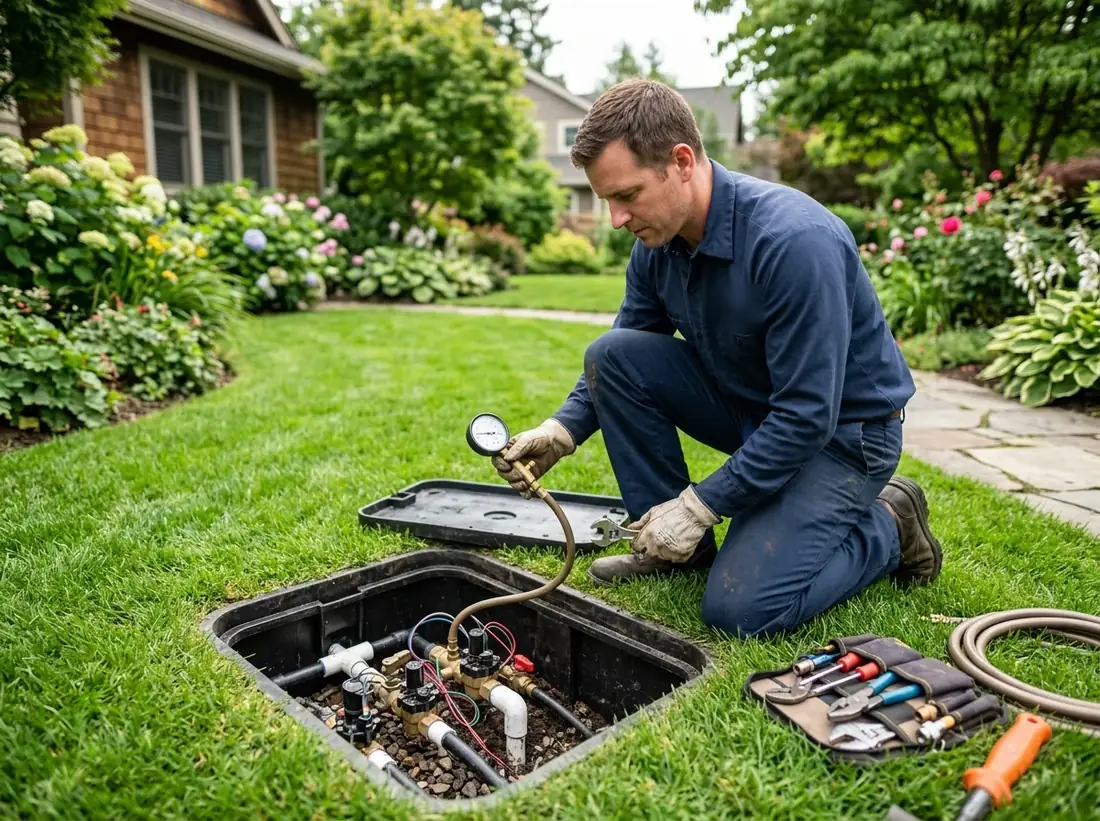
- Sequential Isolation Testing. Systematically shutting off interior shutoffs, irrigation backflow preventers, and pool autofills to isolate the leak segment.
- Digital Flow Rate Calibrations. Estimating the leak rate to determine whether the issue is a slow seepage or a major pipe rupture.
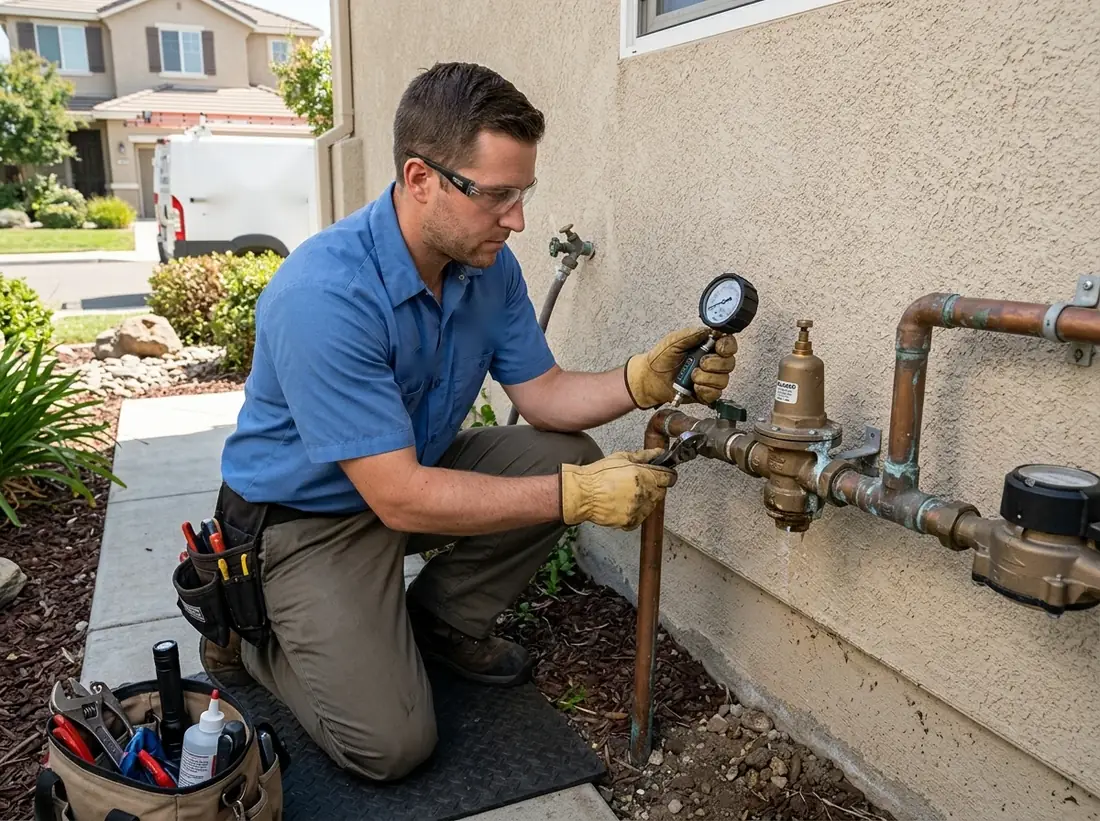
- Main Supply Line Pressure Decay. Pressure testing between the meter and house inlet to verify supply line integrity.
What a Visit Usually Covers
- Meter and usage review to confirm continuous flow
- Valve isolation to separate the house, irrigation, and other branches
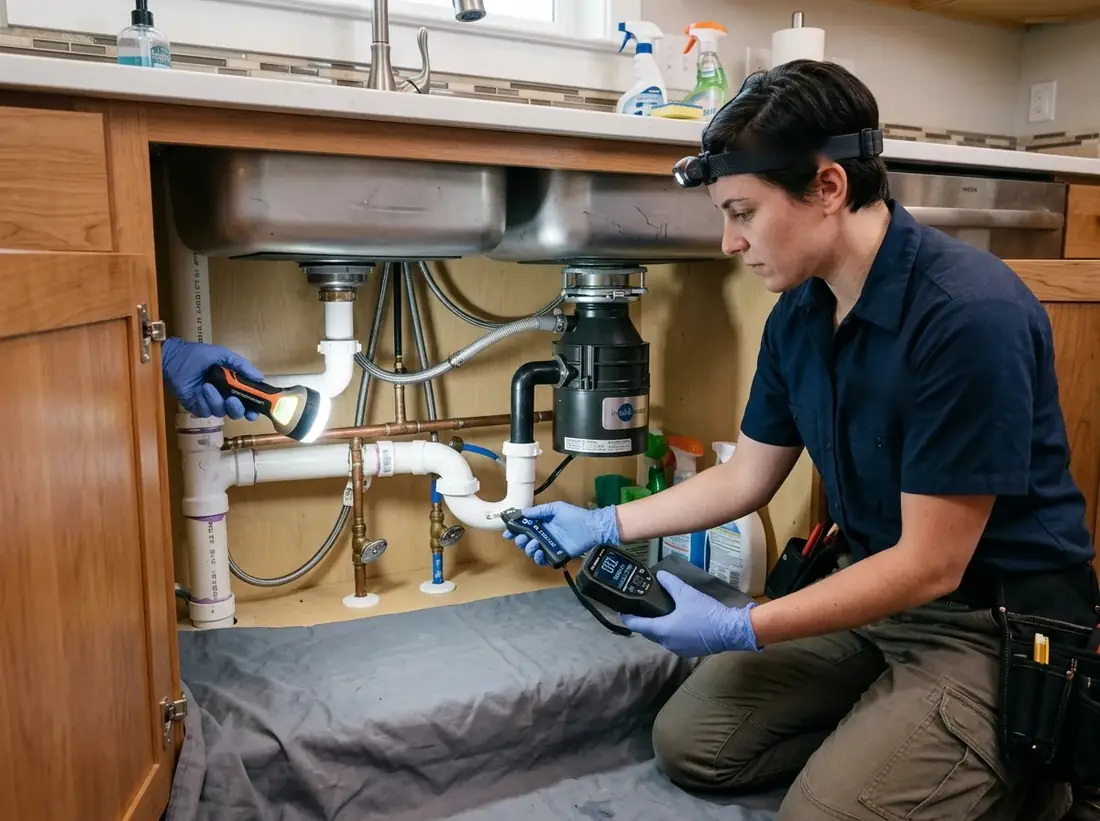
- Checks of toilets, softeners, coolers, and autofill valves
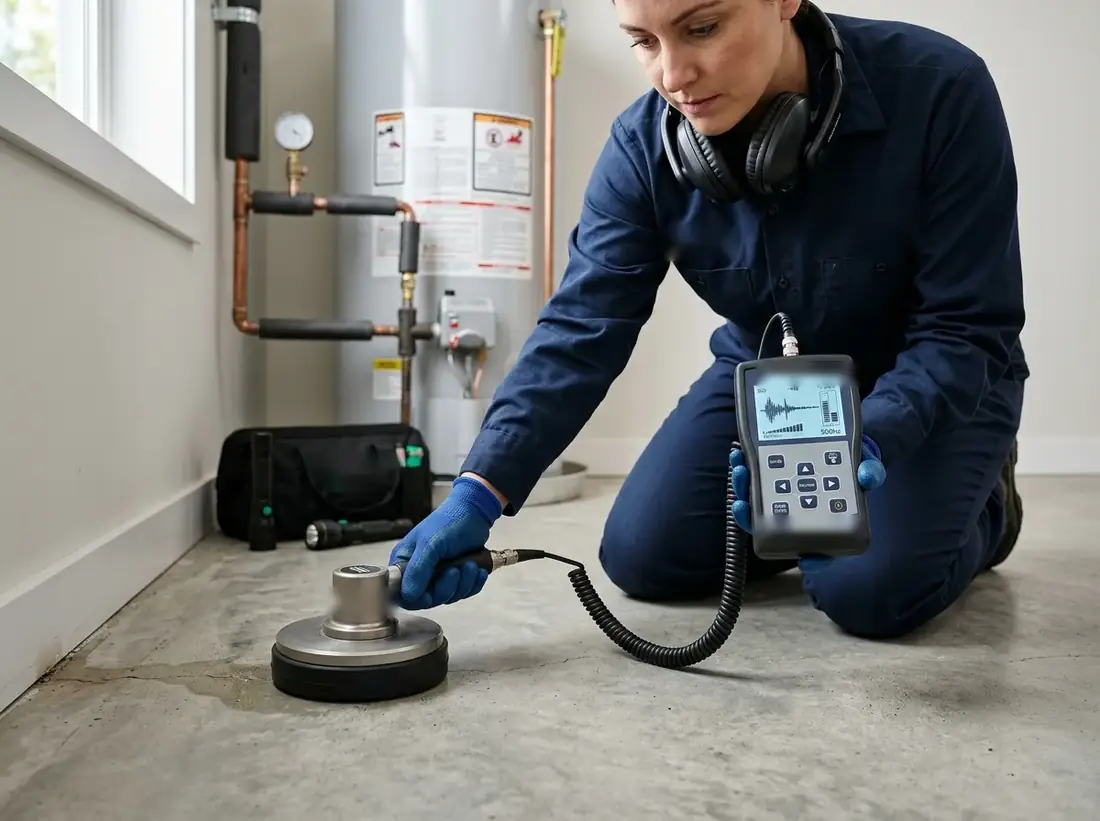
- Targeted follow-up detection for any concealed leak found
Ready to find the leak? A local pro can pinpoint the leak before anything is opened up.
Call (562) 245-5818Water Meter Leak Investigation Across Whittier
We take calls for water meter leak investigation in every Whittier ZIP code (90601–90610). Each neighborhood page explains the housing types and local conditions that affect how leaks show up there.
Water Meter Leak Investigation FAQs
Where is my water meter located in Whittier?
In most Whittier residential neighborhoods, the water meter is located in a ground-level concrete or cast-iron box near the front sidewalk or curb.
Who pays for water leaked through the meter?
Any water that passes through the municipal meter is recorded as delivered to your property, making the property owner responsible for utility charges. Prompt detection stops unnecessary costs.
My bill doubled but I don’t see water anywhere. Where could it be going?
Toilets, irrigation, pool autofill, and slab or underground supply leaks are the most common invisible sources. Start with the meter test, then check toilets with the dye test.
Could the meter itself be wrong?
It’s possible but less common than a leak. Your water provider can typically re-read the meter and test it on request.
Will my water provider credit my bill?
Some providers offer leak adjustments after a repair, but eligibility and amounts vary. Ask your provider and keep your repair documentation.
The indicator moves very slowly. Is that worth checking?
Yes. A slow, steady leak like a toilet flapper or a weeping irrigation valve can add up over a full billing cycle.