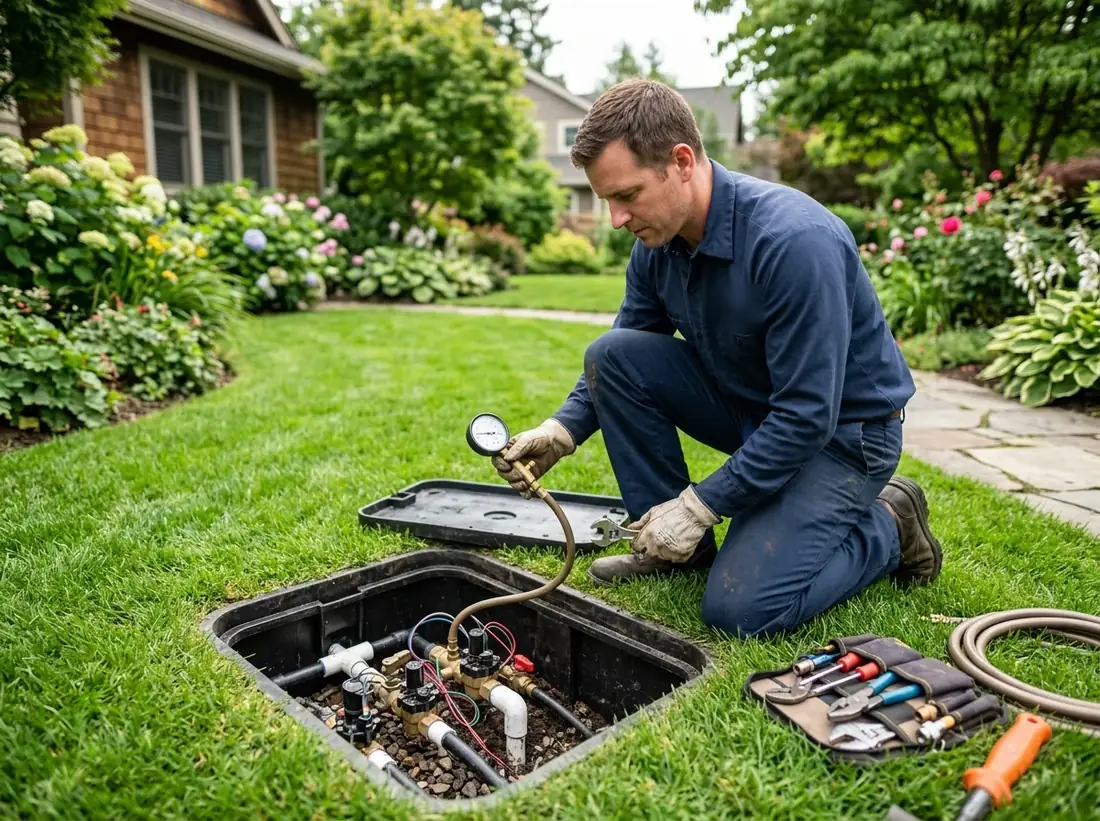
What Is Irrigation Line Leak Detection?
Landscape irrigation systems operate under municipal pressure through underground valve manifolds and lateral PVC piping. With seasonal soil expansion, tree root encroachment, and lawnmower impacts, underground irrigation pipes frequently crack, causing thousands of gallons to flood into garden beds and foundations.
Whether you manage a residential home or commercial property in Whittier, catching water loss early preserves structural integrity and halts soaring utility costs. Learn more in our complete guide to water leak detection in Whittier, CA.
Seeing these signs? Don’t wait for the damage to spread. A local pro can pinpoint the leak before anything is opened up.
Call (562) 245-5818Signs You May Need Irrigation Line Leak Detection
Soggy area that won’t dry out
A wet patch, mud, or standing water in the lawn or planters, even between watering days.
Weak or uneven sprinkler coverage
Heads that barely pop up or spray short — often pressure escaping through a break.
Zone runs when it shouldn’t
Water seeping from heads or a zone staying wet when the controller is off.
Water running to the curb
Water flowing onto the sidewalk or gutter when no zone is scheduled.
Meter moves with indoor water off
Possible mainline leak — confirm by closing the irrigation shutoff.
Sinkholes or erosion
Small depressions or washed-out soil along a pipe route.
Mainline vs. lateral leaks
Most irrigation systems have two kinds of pipe, and the distinction tells you a lot:
- The mainline runs from the water supply to the zone valves. It is pressurized all the time, so a mainline leak runs 24 hours a day and shows up on the water meter.
- Laterals run from each valve to the sprinkler heads or drip emitters. They are pressurized only while that zone runs, so a lateral leak shows up as a wet spot or weak heads during watering.
Simple checks you can do
- Isolate the irrigation system. Many homes have a separate shutoff for irrigation. Turn off all indoor water, check the meter, then close the irrigation shutoff. If the meter stops, the leak is likely in the irrigation system.
- Run each zone separately. Watch for heads that bubble or spray weakly, water pooling, or water flowing out of the ground between heads.
- Check the valves. A zone that stays wet when the controller is off often means a valve isn’t fully closing — usually a worn diaphragm or debris in the valve.
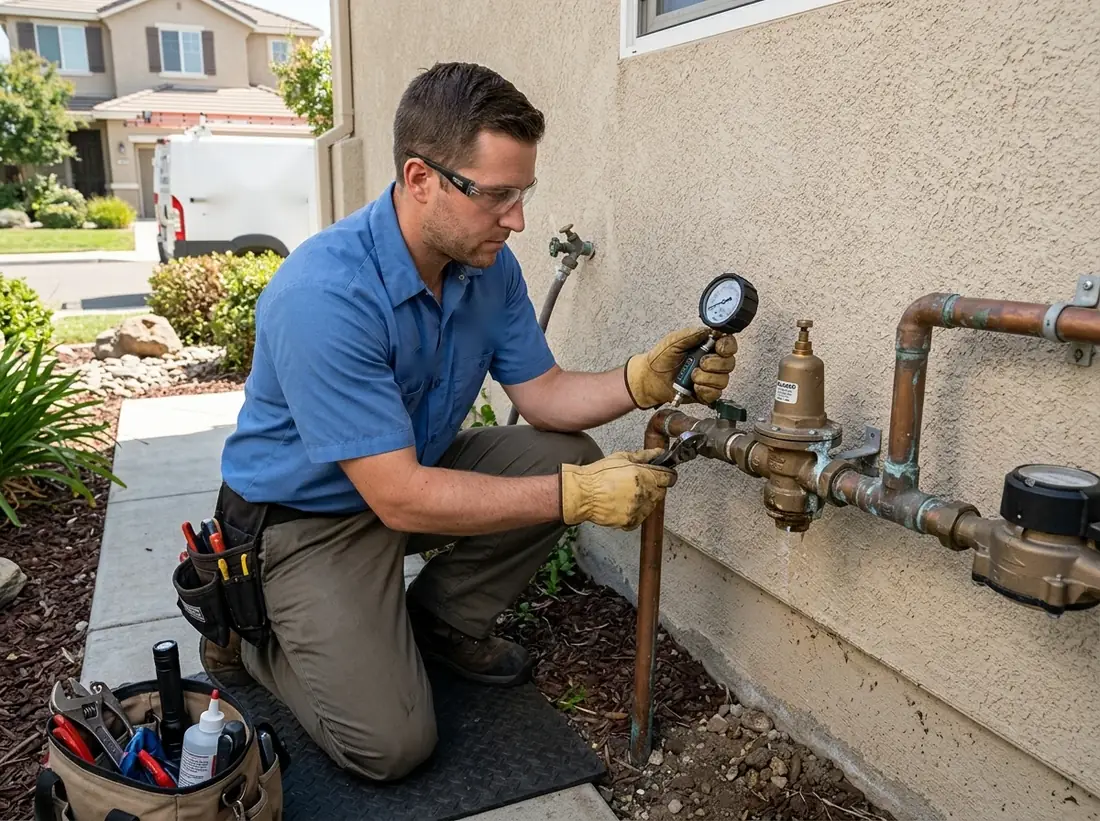
- Look at the backflow preventer. Dripping or spraying from the backflow device needs attention; your water provider may also require periodic testing by a certified tester.
Finding the break
When a leak is underground and not obvious, a provider can trace the pipe route, isolate sections, and use acoustic equipment on the pressurized mainline. Lateral leaks are often found by running the zone and watching for soil saturation or flow between heads. Repairs range from replacing a head or valve diaphragm to cutting in a new section of pipe.
Water-use rules and watering schedules differ between local water providers and change over time, so check your provider’s current guidance — and fixing leaks is one of the easiest ways to stay within them.
Tools Our Specialists Use
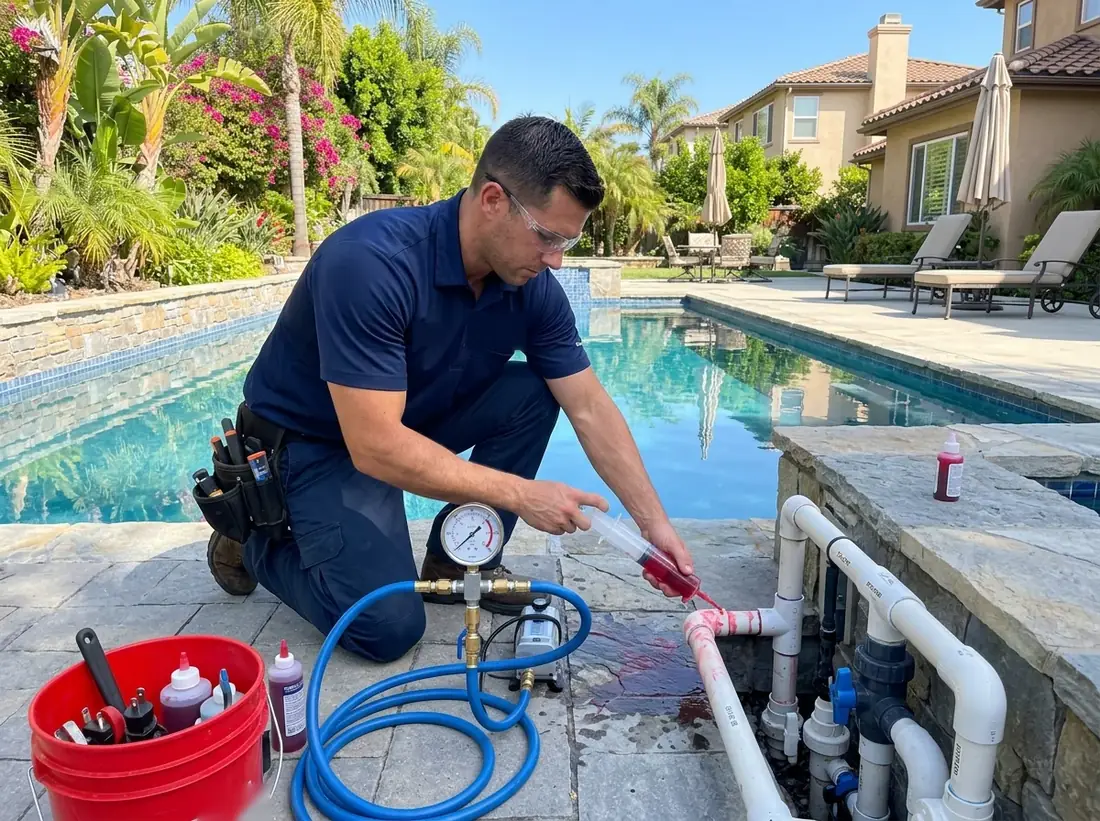
- Zone-by-Zone Pressure Isolation. Testing individual solenoid valve stations under static pressure to isolate compromised zones.
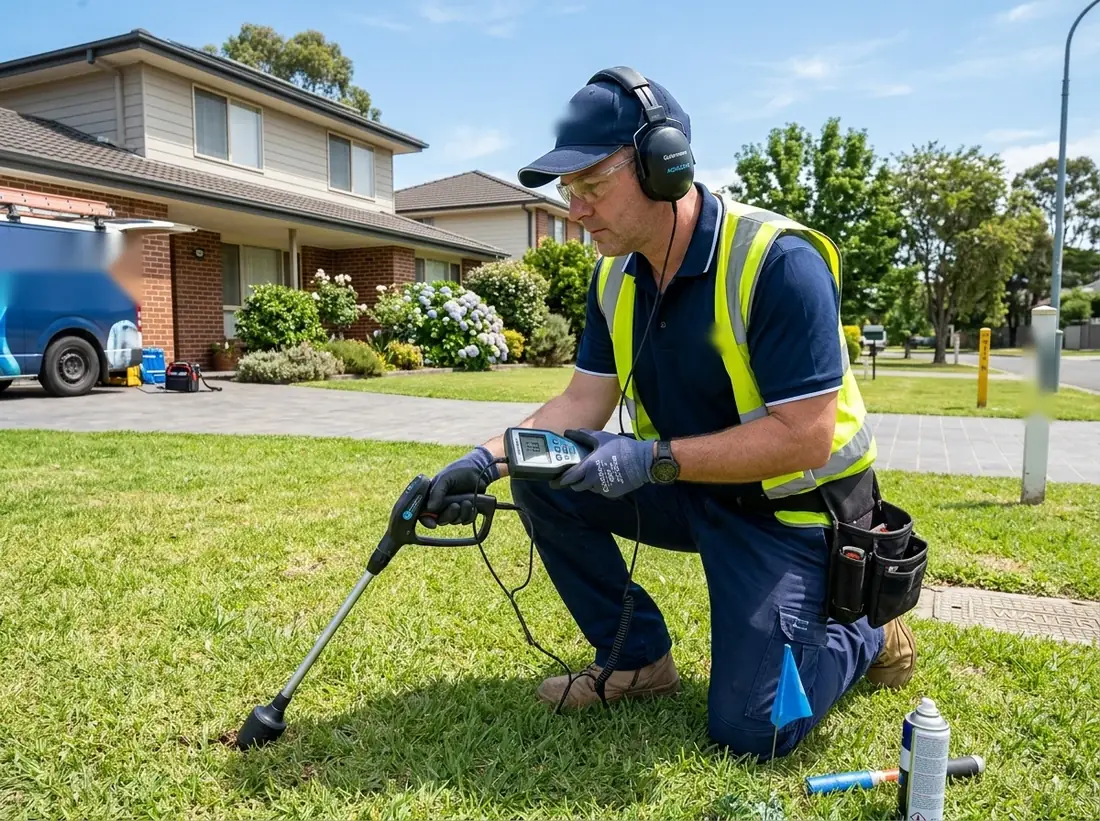
- Acoustic Surface Listening Rods. Listening along buried lateral lines to pinpoint underground cracks and root fractures.
- Underground Valve Wire & Pipe Tracing. Locating buried valve boxes and lateral pipe routes without digging trench lines.
What a Visit Usually Covers
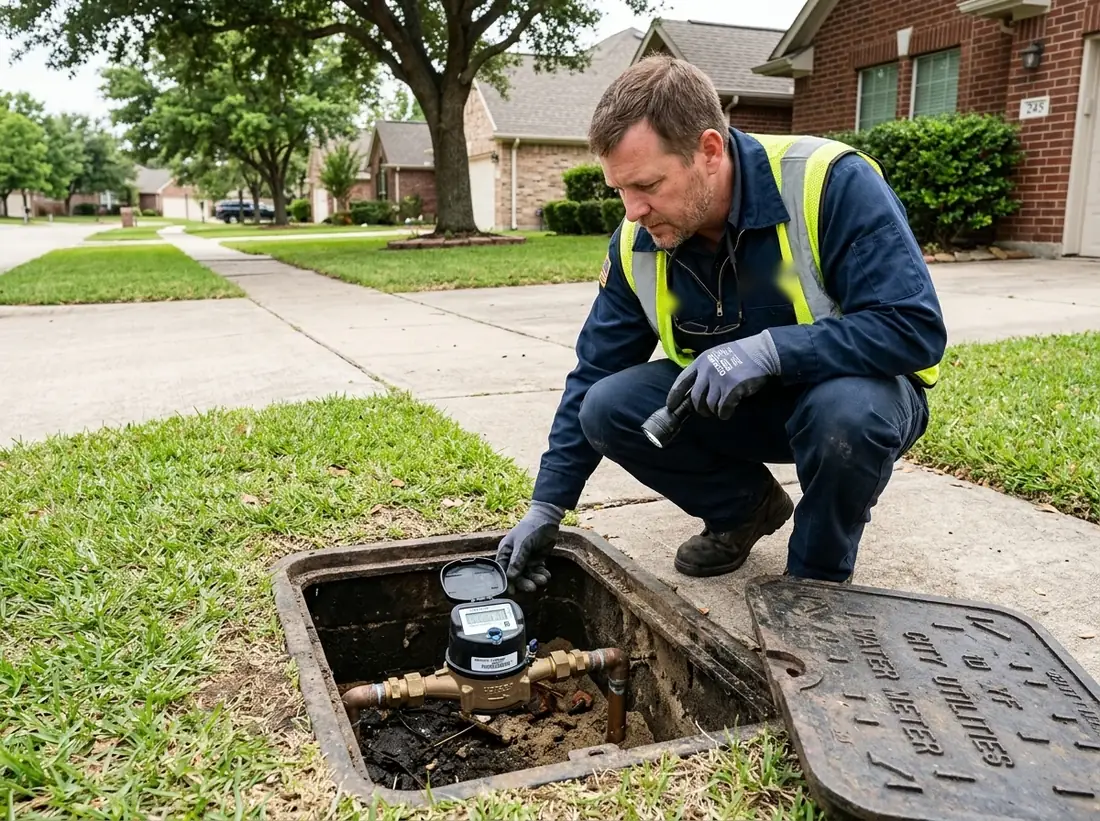
- Meter test with the irrigation system isolated
- Zone-by-zone run-through to check heads, laterals, and valves
- Line tracing and acoustic checks on a pressurized mainline
- Repair options for heads, valves, and pipe sections
Ready to find the leak? A local pro can pinpoint the leak before anything is opened up.
Call (562) 245-5818Irrigation Line Leak Detection Across Whittier
We take calls for irrigation line leak detection in every Whittier ZIP code (90601–90610). Each neighborhood page explains the housing types and local conditions that affect how leaks show up there.
Irrigation Line Leak Detection FAQs
Can an irrigation leak damage my home's foundation?
Yes. If an irrigation leak is located close to your foundation, continuous subterranean water saturation can cause soil expansion and foundation heave, especially in Whittier's clay soils.
How can I tell if my leak is in the sprinklers or the house?
Shut off your irrigation system's dedicated isolation valve (or backflow preventer). If the water meter stops moving, the leak is located on the irrigation network.
One zone won’t shut off. Is that a leak?
It is usually a valve problem — a torn diaphragm, debris, or a stuck solenoid — rather than a broken pipe. It still wastes water and should be repaired.
Can drip systems leak too?
Yes. Drip tubing can be chewed by animals, split by roots or shovels, or pop off fittings. Look for unusually wet spots or plants that seem overwatered.
Does my backflow device need testing?
Many water providers require periodic testing of certain backflow devices by a certified tester. Check with your provider for current requirements.